 Save to Pinterest
 The smell of toasted flour hit me before I even reached my neighbor's porch that evening. She was standing over her stove with a wooden spoon, coaxing a roux toward that deep copper color she swore by. I'd never made étouffée before, but watching her stir with such patience—never rushing, never walking away—taught me everything I needed to know. That night, with shrimp from the market and a pot borrowed from her kitchen, I learned that some dishes demand your full attention, and they reward you tenfold.
I made this for a small dinner party on a rainy Saturday, and by the time I ladled it over rice, the windows had fogged up from the steam. My friend who grew up in Baton Rouge took one bite and got quiet for a moment, then said it tasted like her grandmother's kitchen. That's when I realized étouffée isn't just about technique. It's about honoring the slow, deliberate care that turns a pot of shrimp and vegetables into something that feels like memory.
Ingredients
- Vegetable oil: Neutral and stable at high heat, it lets you build a dark roux without scorching, which is the backbone of the entire dish.
- All-purpose flour: Toasted slowly with the oil, it thickens the sauce and adds a nutty richness that can't be rushed or faked.
- Onion, bell pepper, celery: The holy trinity of Cajun cooking, these vegetables sweeten as they soften and give the étouffée its aromatic foundation.
- Garlic: Added after the vegetables to prevent burning, it brings a sharp, fragrant note that brightens the whole pot.
- Shrimp: Sweet and tender, they cook quickly in the simmering sauce and soak up all the spice and depth you've built.
- Seafood stock: It amplifies the shrimp's natural flavor and loosens the roux into a silky, spoonable sauce.
- Worcestershire sauce: A few dashes add umami and a subtle tang that rounds out the heat and richness.
- Cajun seasoning and cayenne pepper: These bring the warmth and complexity that define Creole cooking, adjustable to your own heat tolerance.
- Bay leaf: It lends a quiet herbal note that ties everything together as the sauce simmers.
- White rice: Fluffy and mild, it's the perfect base to soak up every bit of that dark, flavorful sauce.
- Green onions and parsley: Fresh, bright, and grassy, they cut through the richness and make each bite feel complete.
Tired of Takeout? 🥡
Get 10 meals you can make faster than delivery arrives. Seriously.
One email. No spam. Unsubscribe anytime.
Instructions
- Start the Roux:
- Heat the oil in a heavy pot over medium heat, then whisk in the flour slowly until smooth. Stir constantly, scraping the bottom and corners, until the roux turns a deep chocolate brown, which takes about 15 to 20 minutes.
- Cook the Vegetables:
- Add the onion, bell pepper, and celery to the roux, stirring well to coat them in the toasted flour. Let them cook for 5 to 7 minutes until they soften and release their sweetness.
- Add the Garlic:
- Stir in the minced garlic and cook for just one minute, letting it bloom without burning. You'll know it's ready when the smell fills the kitchen.
- Build the Sauce:
- Gradually pour in the seafood stock, whisking constantly to incorporate it into the roux and vegetables. The mixture will thicken as it heats, turning into a smooth, rich base.
- Season and Simmer:
- Add the shrimp, Worcestershire sauce, Cajun seasoning, cayenne, bay leaf, salt, and pepper, stirring everything together. Bring it to a gentle simmer, then lower the heat and cook uncovered for 20 to 30 minutes, stirring occasionally until the shrimp are opaque and the sauce has thickened.
- Finish and Serve:
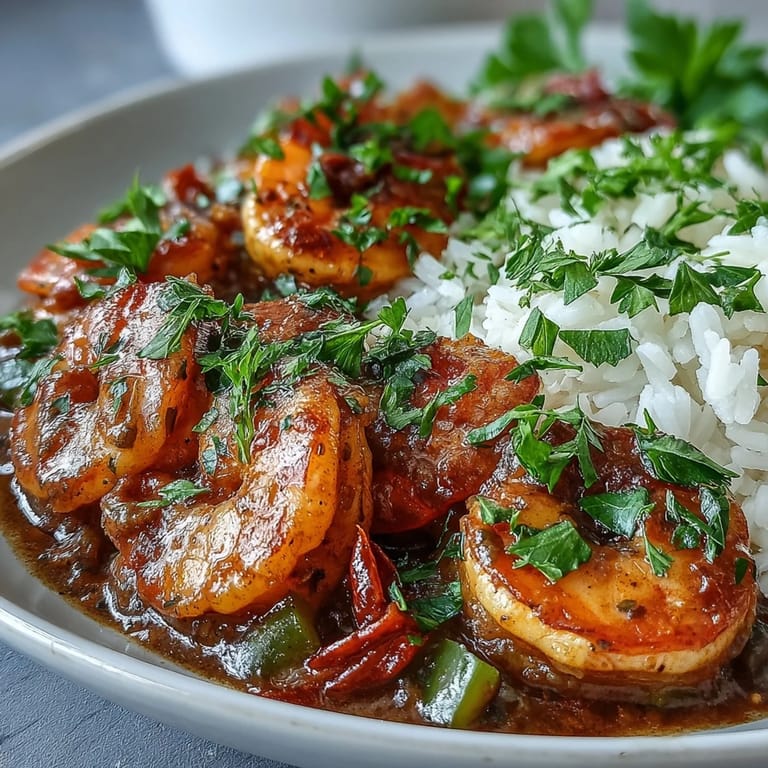
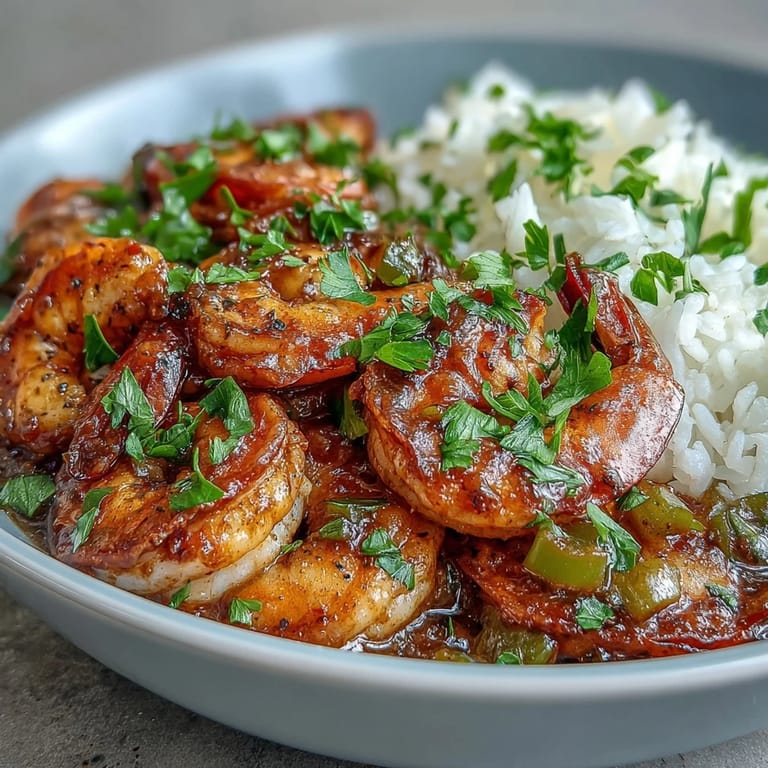
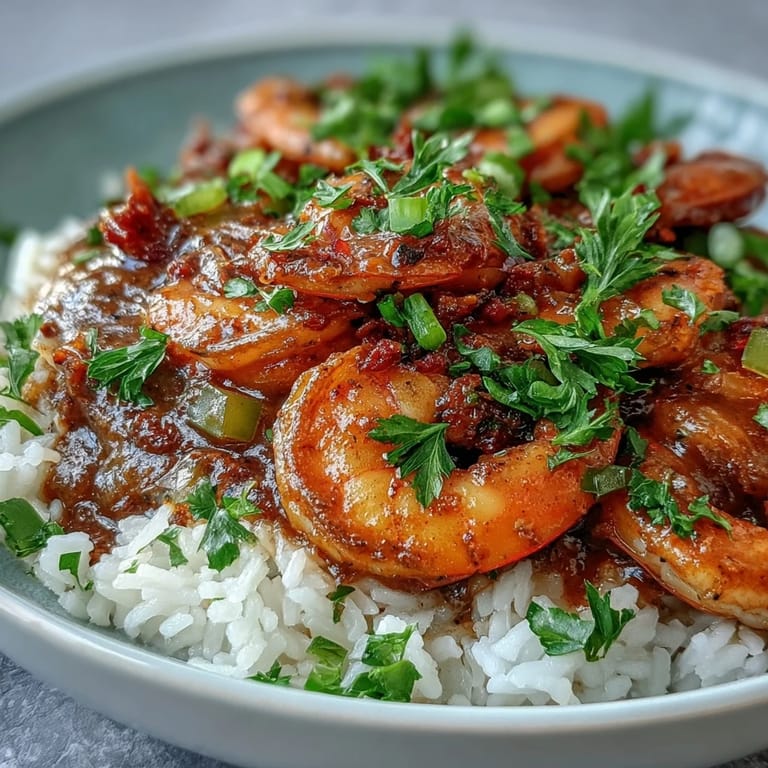
- Taste and adjust the seasoning, then remove the bay leaf. Spoon the étouffée over bowls of hot rice and scatter green onions and parsley on top.
 Save to Pinterest
 The first time I nailed the roux without burning it, I called my neighbor to tell her. She laughed and said that's the moment you become a real cook—not when you follow a recipe perfectly, but when you trust your instincts and your senses. Now, every time I stand over that pot, stirring and watching the color shift, I think of her voice and the patience she passed along. This dish has become my way of slowing down, of proving to myself that good things really do take time.
Choosing Your Seafood
Fresh Gulf shrimp is traditional and brings a sweet, briny flavor that pairs perfectly with the roux, but frozen shrimp works beautifully if you thaw and pat them dry first. If you can find crawfish—especially during spring season—use them for an even more authentic Louisiana experience, though they're a bit more work to peel. I've also made this with chunks of firm white fish when shrimp wasn't available, and while it's different, the sauce still shines through. Whatever you choose, add the seafood at the end so it stays tender and doesn't turn rubbery from overcooking.
Making It Your Own
Once you've mastered the classic version, étouffée becomes a canvas for whatever you have on hand or whatever sounds good. I've swapped in andouille sausage and chicken thighs for a heartier, smokier version that feels more like a stew. A vegetarian friend of mine uses thick slices of portobello mushrooms and extra stock, and it's rich enough that you don't miss the seafood. You can also dial the heat up or down by adjusting the cayenne and Cajun seasoning, or add a splash of hot sauce at the table for those who want more kick.
Serving and Storing
Serve this over long-grain white rice, which soaks up the sauce without getting mushy, or try it with crusty French bread for dipping if you want something more casual. Leftovers keep well in the fridge for up to three days, and the flavors deepen overnight as the spices meld together, making day-two étouffée even better than the first. I like to freeze individual portions in airtight containers, which reheat beautifully on the stovetop with a splash of stock to loosen the sauce.
- Garnish with extra green onions and a squeeze of lemon for brightness.
- Pair it with a simple green salad dressed in vinegar to cut the richness.
- Let the étouffée rest for five minutes off the heat before serving so the flavors settle and the sauce thickens just a bit more.
 Save to Pinterest
 This étouffée has become my go-to when I want to cook something that feels special without leaving the house. It's the kind of dish that makes ordinary weeknights feel a little more intentional, a little more alive.
Recipe FAQs
- → What makes an authentic étouffée?
A true étouffée starts with a dark roux cooked to the color of chocolate, which provides the foundation of flavor. The holy trinity of onions, bell peppers, and celery is essential, along with quality seafood stock and fresh shellfish.
- → How do I prevent the roux from burning?
Stir constantly and maintain medium heat. Watch closely as the flour darkens—it can burn quickly once it reaches the golden brown stage. The process takes 15-20 minutes of patient attention for perfect results.
- → Can I make étouffée with other proteins?
Absolutely. While shrimp and crawfish are traditional, you can substitute chicken, andouille sausage, or even mushrooms for a vegetarian version. Adjust cooking time accordingly—chicken needs longer to cook through than shrimp.
- → Why does étouffée taste better the next day?
The flavors continue to develop as the dish rests, allowing the spices, roux, and seafood to meld more deeply. This is common with many slow-cooked Creole and Cajun dishes. Store in the refrigerator and reheat gently.
- → What's the difference between étouffée and gumbo?
Both start with a roux and the holy trinity, but étouffée is thicker with a smoother consistency, typically featuring just one main protein. Gumbo usually has multiple proteins, okra or filé powder, and a soupier texture.