 Save to Pinterest
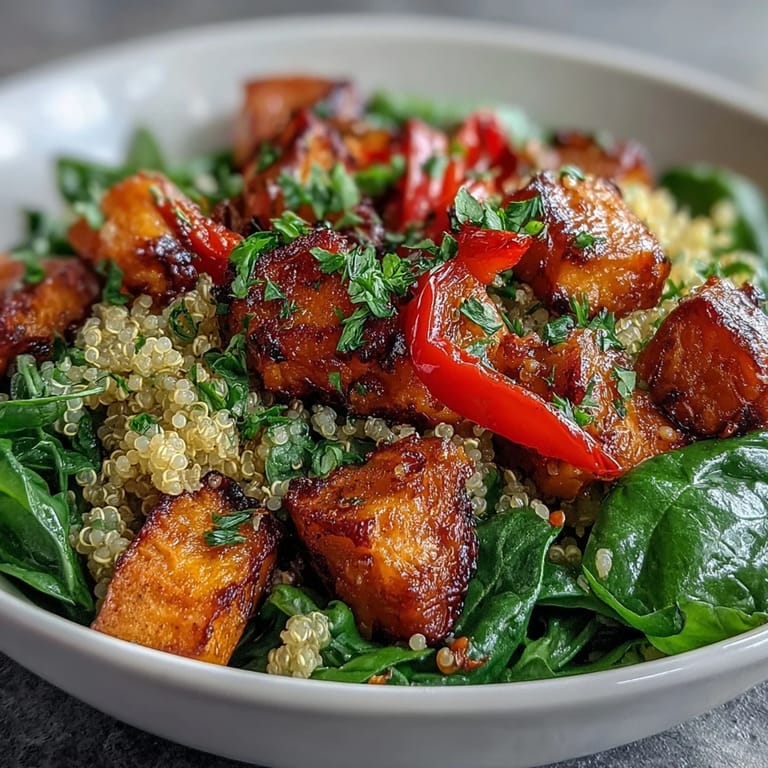
 There's something about a warm bowl that makes you pause mid-afternoon and actually sit down to eat. I discovered this particular combination while standing in my kitchen on a chilly Tuesday, staring at half a bunch of wilting spinach and some roasted vegetables left over from the weekend. Instead of tossing them, I warmed up some grains, drizzled everything with a quick warm vinaigrette, and suddenly lunch became something I wanted to linger over. It's become my go-to when I need something that feels both nourishing and indulgent without any fuss.
My neighbor stopped by one afternoon while I was assembling these bowls, and I made an extra one almost by accident. She sat at my counter for almost an hour, and we talked through everything from work stress to weekend plans while we ate. That's when I realized this bowl has a quiet generosity to it, the kind of dish that makes people want to stay and chat instead of rushing off.
Ingredients
- Quinoa or brown rice: Rinse quinoa well before cooking to remove bitterness, and don't skip this step as it makes a real difference in flavor.
- Sweet potato: Cut into roughly equal-sized cubes so they roast evenly and get that caramelized edge instead of some pieces staying raw.
- Red bell pepper: The strips will caramelize at the edges when roasted, creating little pockets of sweetness that make every bite interesting.
- Red onion: Sliced thin enough to soften but sturdy enough to hold its shape, it adds a subtle sharpness that balances the sweetness of the potato.
- Zucchini: Slice it on the thicker side so it doesn't disappear into mush during roasting, and it will actually develop flavor instead of turning into water.
- Olive oil for roasting: Use a generous amount so the vegetables caramelize rather than steam, which is the difference between golden and sad.
- Smoked paprika: This isn't just color; it adds a subtle depth that makes people ask what's in the bowl.
- Baby spinach or kale: Kale holds up better if you're eating this later, but spinach wilts more quickly for a tender texture.
- Olive oil for vinaigrette: Good quality matters here since it's tasted directly, not hidden in a long-cooked dish.
- Apple cider vinegar: Its slight sweetness plays beautifully with the warm oil and mustard, creating a dressing that feels balanced rather than sharp.
- Dijon mustard: The emulsifier that makes the vinaigrette cling to everything, and it adds a subtle complexity.
- Honey or maple syrup: Just enough to round out the acid and add a whisper of sweetness.
- Garlic: Minced small and warmed gently so it releases flavor without becoming bitter.
- Feta or goat cheese: Optional but recommended; it adds a salty, creamy note that makes the warm bowl feel more substantial.
- Toasted seeds: Pumpkin or sunflower seeds add a textural contrast and healthy fats that keep you satisfied.
- Fresh herbs: Parsley or cilantro scattered on top brighten everything and add a final flash of freshness.
Tired of Takeout? 🥡
Get 10 meals you can make faster than delivery arrives. Seriously.
One email. No spam. Unsubscribe anytime.
Instructions
- Set your oven and prep the vegetables:
- Preheat your oven to 425°F and line a baking sheet with parchment paper so nothing sticks. While it heats, cut your sweet potato into cubes about the size of dice, slice the bell pepper into strips, halve your red onion, and slice the zucchini so each piece has a little surface area to caramelize.
- Season and roast:
- Toss all your cut vegetables with olive oil, smoked paprika, salt, and pepper until every piece is coated, then spread them on the sheet in a single layer. Slide them into the oven and roast for 25 to 30 minutes, stirring about halfway through so everything browns evenly instead of catching on one side.
- Start the grains:
- While vegetables roast, rinse your quinoa or rice, combine it with water or broth in a saucepan, and bring everything to a boil. Cover, reduce heat to low, and let it simmer for 15 to 20 minutes until the liquid absorbs and the grains are tender, then fluff it gently with a fork.
- Warm the vinaigrette:
- In a small pan over low heat, whisk together olive oil, apple cider vinegar, Dijon mustard, honey, and minced garlic, letting it warm for just 1 to 2 minutes until it's hot enough to release the garlic's flavor but not so hot that it burns. Season with salt and pepper to taste.
- Wilt the greens:
- Pour about half the warm vinaigrette over your spinach or kale in a large bowl and toss gently, letting the greens soften and darken slightly from the warmth. This takes only a minute and transforms raw greens into something tender and welcoming.
- Assemble your bowls:
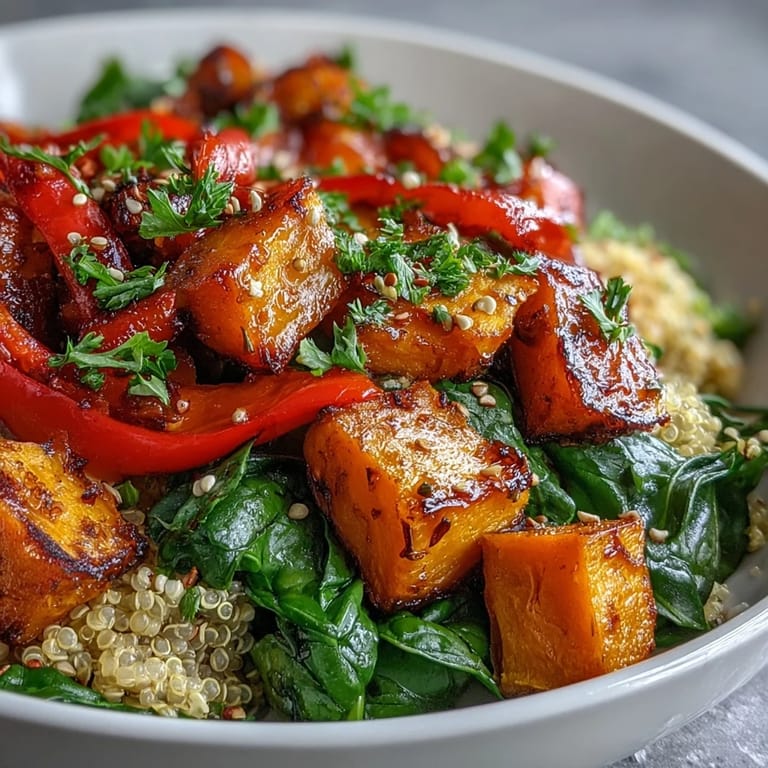
- Divide the cooked grains among four bowls as your base, then top each with the wilted greens, roasted vegetables, and whatever toppings you're using. Drizzle the remaining vinaigrette over everything and serve right away while the warmth is still there.
 Save to Pinterest
 I made this bowl for a friend who was going through a rough patch, and she texted me later saying she'd eaten the leftovers for three days straight. Sometimes the simplest things become the most comforting, especially when they ask so little but give so much back.
Why Temperature Matters
The magic of this bowl lives partly in its warmth. The grains stay warm, the vegetables arrive hot from the oven, and the vinaigrette is just-warm enough to soften the greens without cooking them to nothing. This combination of temperatures creates layers of texture that a cold salad just can't achieve. When everything is the same temperature, the bowl feels more cohesive, like it was designed to be eaten together rather than just a collection of separate components thrown into a dish.
Building Flexibility Into Your Bowl
I've made this bowl with farro when I was out of rice, with chickpeas when I needed extra protein, with kale when spinach seemed too delicate, and even with different roasted vegetables depending on the season. The structure stays solid, but the specifics can absolutely bend. Winter calls for root vegetables like beets and parsnips, while summer wants zucchini and tomatoes roasted just until they're warm and slightly blistered. The beautiful part is that the warm vinaigrette dressing works with almost everything you throw at it.
The Finishing Details That Change Everything
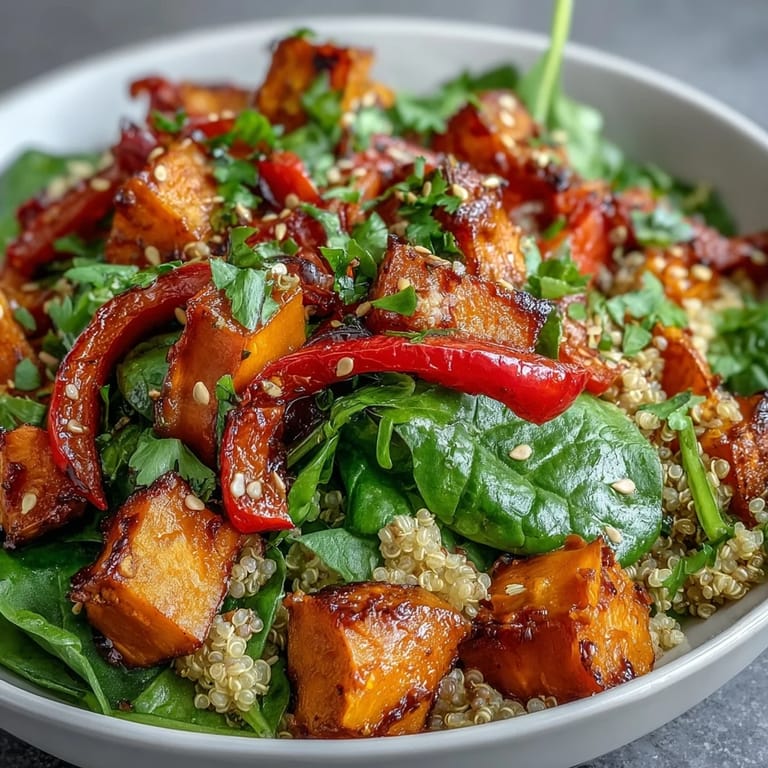
It's tempting to skip the toppings and call the bowl finished, but those final elements are what elevate it from lunch to something you'll actually crave. The seeds add crunch against the tender vegetables, the cheese provides a salty counterpoint, and the fresh herbs scattered on top remind you that this is meant to taste alive and current, not just warm and filling. Even if you leave everything else the same, swapping these out keeps the bowl from becoming routine.
- Toast your seeds in a dry pan for a minute just before serving so they're warm and fragrant.
- Crumble the cheese by hand rather than using pre-crumbled if you can, as it distributes more evenly and tastes fresher.
- Add the herbs last so they stay bright and don't wilt into invisibility.
 Save to Pinterest
 This bowl has become my answer to the question of what to eat when I want something that feels like self-care but doesn't require hours in the kitchen. It's the kind of meal that reminds you that taking care of yourself doesn't have to be complicated.
Recipe FAQs
- → Can I make this warm bowl ahead of time?
Yes, prepare grains and roasted vegetables up to 3 days in advance. Store separately in airtight containers and reheat gently before assembling with freshly dressed greens.
- → What other grains work well in this bowl?
Farro, millet, barley, or wheat berries make excellent alternatives to quinoa or brown rice. Adjust cooking times according to package instructions for each grain variety.
- → How do I make this vegan?
Simply omit the cheese topping or substitute with nutritional yeast. Use maple syrup instead of honey in the vinaigrette. Add roasted chickpeas or hemp seeds for extra protein.
- → Can I use different vegetables?
Absolutely. Butternut squash, carrots, Brussels sprouts, or eggplant roast beautifully. Choose vegetables that cook at similar rates, or add quicker-cooking items halfway through roasting.
- → Why warm the vinaigrette?
Gently warming the vinaigrette helps wilt the greens slightly and infuses them with flavor. The warmth also helps emulsify the dressing, creating a silky coating that clings beautifully to vegetables and grains.
- → What protein additions complement this bowl?
Roasted chickpeas, grilled tofu, shredded chicken, or pan-seared shrimp work wonderfully. You can also add a soft-boiled or poached egg on top for extra richness and protein.