 Save to Pinterest
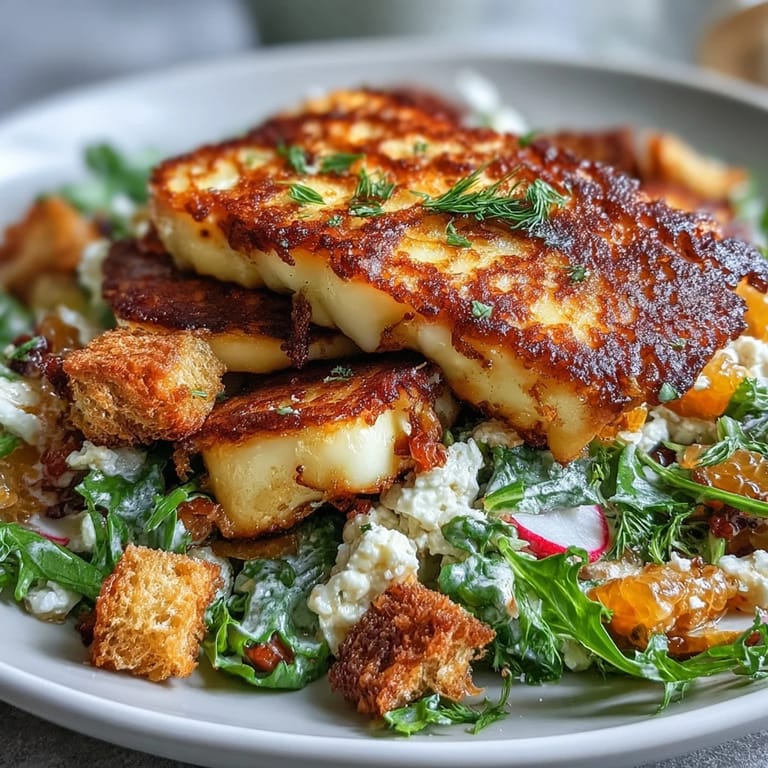
 There's a moment in late winter when blood oranges appear at the market and suddenly everything feels possible again. I was standing in front of a pyramid of them, still slightly cold from transport, when a friend mentioned she'd had the most incredible halloumi salad at a tiny restaurant in Beirut. That conversation stuck with me through a grey afternoon in the kitchen, and somehow this salad emerged—warm cheese meeting tart citrus, crispy bread soaking up tangy dressing, all of it somehow exactly what I needed that day.
My sister came over one afternoon and ate three plates of this before asking what was in it. I watched her pause mid-bite, eyes closing slightly when the pomegranate molasses hit her tongue—that moment when someone realizes a salad can be so much more than obligation. We ended up making it twice that week, and now she texts me pictures of her versions from her kitchen across town.
Ingredients
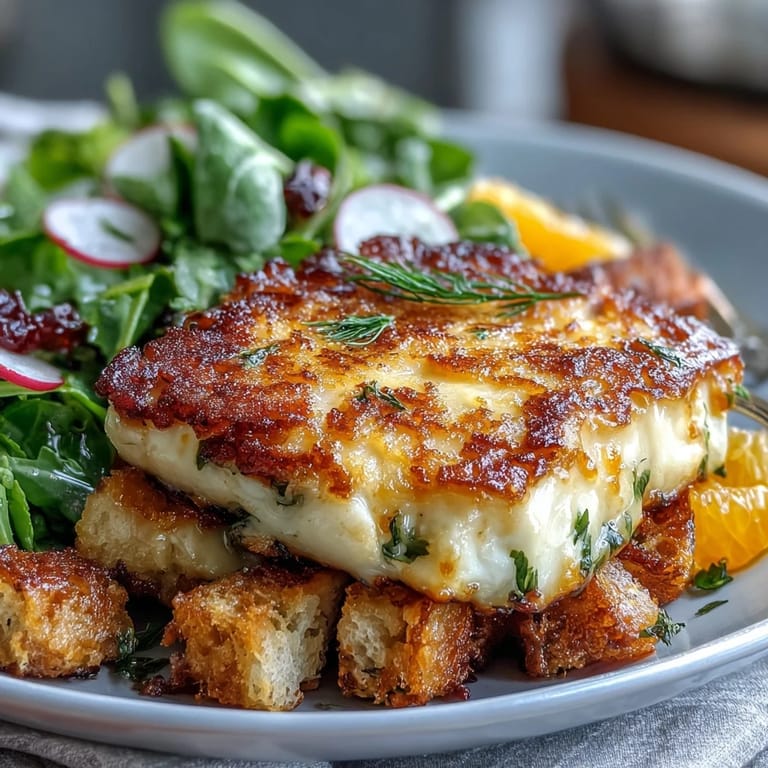
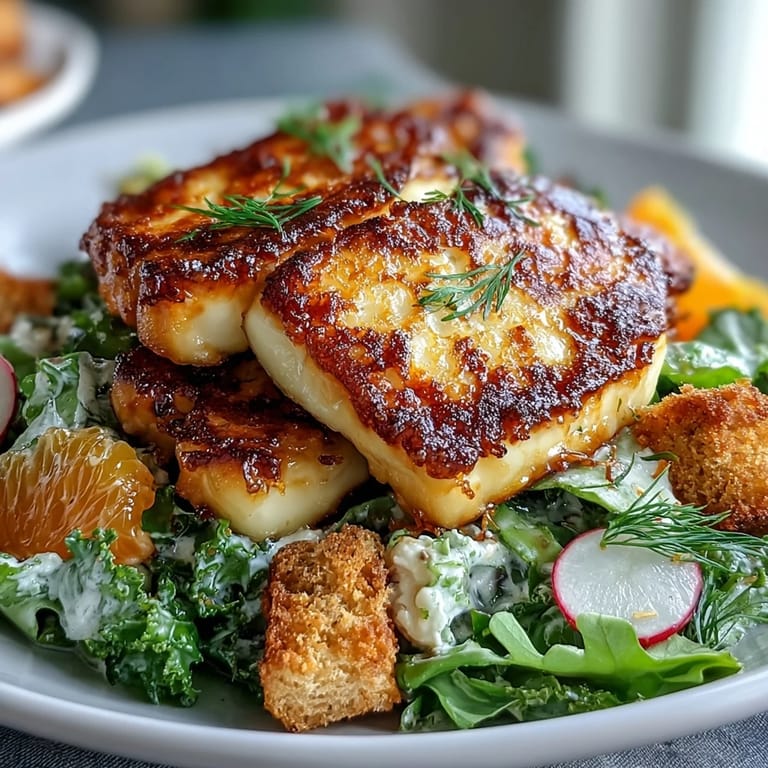
- Halloumi cheese, 200 g sliced into 1 cm pieces: This is the star that doesn't melt, the one cheese that actually improves when you fry it until the edges turn golden and slightly crispy; seek out good quality halloumi because the difference is real.
- Blood oranges, 2 peeled and segmented: If you can't find them, regular oranges work, but blood oranges bring a deeper, almost wine-like tartness that makes the whole salad sing in a different key.
- Mixed salad greens, 150 g (romaine, arugula, parsley, mint): The mix matters more than the amount; parsley and mint add unexpected brightness that transforms this from side dish to something you'll actually crave.
- Cucumber, 1 small diced: Adds a cooling, crisp element that balances the richness of the cheese and the boldness of the dressing.
- Cherry tomatoes, 8 halved: Choose ones that smell sweet and feel heavy; they anchor the salad with familiar comfort.
- Red onion, ½ small thinly sliced: Don't skip this or reduce it—the thin slices become almost translucent and add a gentle bite that makes everything else taste better.
- Radishes, 2 thinly sliced: They bring a peppery crunch that no other ingredient can replace; slice them just before serving to keep them crisp.
- Sourdough bread, 2 thick slices cut into cubes: Day-old bread works best because it's drier and will crisp up properly in the oven.
- Olive oil for croutons, 2 tbsp: Use something neutral here; save your fancy oil for the dressing where it will shine.
- Sea salt for croutons, a pinch: This layer of salt on the croutons is essential—it seasons them before the dressing arrives.
- Extra virgin olive oil for dressing, 3 tbsp: This is where good oil makes an audible difference; don't substitute with regular olive oil.
- Fresh lemon juice, 1½ tbsp: Squeeze it yourself; bottled juice tastes like a disappointment in comparison.
- Pomegranate molasses, 1 tbsp: This is the secret ingredient that people will ask about; it's tart and complex and impossible to fake.
- Sumac, 1 tsp: A spice that tastes like the word 'bright' sounds; if you don't have it, a tiny extra pinch of lemon zest won't fully replace it but will help.
- Ground black pepper, ¼ tsp: Freshly ground, not the pre-ground kind that tastes like dust.
- Sea salt for dressing, ¼ tsp: Taste as you go; salt amplifies everything else in the bowl.
Tired of Takeout? 🥡
Get 10 meals you can make faster than delivery arrives. Seriously.
One email. No spam. Unsubscribe anytime.
Instructions
- Toast the croutons until they announce themselves:
- Preheat your oven to 200°C, toss those sourdough cubes in olive oil and a scatter of sea salt, then spread them out like they deserve their own space on the tray. Bake for 8 to 10 minutes until they're golden on the edges and smell like they're calling you into the kitchen; let them cool while you attend to everything else.
- Fry the halloumi until it protests the heat:
- Heat a non-stick skillet over medium flame, then watch as the cheese hits the pan—it should hiss and demand your attention. Fry each slice for 2 to 3 minutes per side until the edges turn deep gold and crispy, then let them rest briefly on a paper towel to shake off excess oil.
- Build the salad base like you're composing something:
- In your largest bowl, combine the greens, cucumber, tomatoes, red onion, radishes, and blood orange segments, letting the colors mix naturally. It should look abundant but not crowded; you want everything to have room to breathe.
- Whisk the dressing with intention:
- In a separate bowl, combine the olive oil, lemon juice, pomegranate molasses, sumac, pepper, and salt, whisking until it emulsifies and turns slightly glossy. Taste it on your fingertip—it should make your mouth wake up.
- Bring everything together at the last possible moment:
- Add the warm halloumi and cooled croutons to the bowl, pour the dressing over everything, and toss with restraint so the halloumi stays intact. Serve immediately while the cheese is still warm and the croutons haven't surrendered to the moisture.
 Save to Pinterest
 I made this for a dinner party once where I knew almost none of the guests, and watching people pause mid-conversation to really taste it felt like the highest compliment. Food has this quiet power to make strangers feel less strange, and this salad seemed to unlock something—suddenly everyone was talking about their favorite citrus fruits and their grandmother's recipes.
The Warmth and Cold Contrast
This salad lives in the space between seasons, between temperatures, between what you expect and what actually happens. The warm halloumi melts slightly into the cool greens, the cold blood orange segments provide shock against the crispy bread, and somehow none of it is fighting—it's all conversation. I've made versions where I let the salad sit for five minutes, and the warmth from the halloumi gently wilts just the edges of the leaves, creating this interesting texture variation that makes every bite feel a little different.
Where Pomegranate Molasses Changes Everything
If you've never cooked with pomegranate molasses, this is the moment to start. It's not sweet like you might expect—it's deep and tart and carries a sophistication that lemon juice alone simply cannot achieve. I once made this salad without it because I couldn't find it at my regular store, and while it was still good, it was missing something I couldn't name until I made it again with the molasses. That single tablespoon shifts the entire flavor profile from 'nice' to 'memorable.'
Building Your Own Variations
The beauty of this salad is that it invites creativity without demanding perfection. Swap the blood oranges for pink grapefruit if you want something even more tart, or add pomegranate seeds for color and extra burst. I've made versions with toasted pistachios scattered across the top, and I've served it with crispy chickpeas when I wanted more protein and crunch.
- Toast your pistachios or walnuts separately so they stay crisp and don't get drowned in dressing.
- Pomegranate seeds should go on right before serving, otherwise their juice bleeds into everything and turns the salad purple.
- If you're making this ahead, keep the dressing separate and dress it only moments before people sit down to eat.
 Save to Pinterest
 This salad has become one of those recipes I make when I want to feel like I'm cooking something sophisticated but not something that requires hours of my attention. It's the kind of dish that reminds you why cooking matters at all.
Recipe FAQs
- → Can I prepare halloumi ahead of time?
Fry halloumi just before serving for best texture. It can be sliced and stored refrigerated up to 24 hours in advance, then quickly fried when ready to assemble.
- → What can I use instead of blood oranges?
Regular navel oranges, ruby grapefruit, or even segmented mandarins work well. The flavor profile will shift slightly but remain delicious and vibrant.
- → How do I keep croutons crispy?
Bake sourdough cubes until completely golden and dry. Cool completely before adding to salad. Store any extras in an airtight container for up to 3 days.
- → Is pomegranate molasses essential?
It adds signature tartness and depth. Substitute with equal parts balsamic glaze reduced with a touch of lemon juice, or extra sumac for similar tangy notes.
- → Can this salad be made gluten-free?
Use gluten-free bread for croutons and ensure all ingredients, especially sumac and pre-packaged items, are certified gluten-free to avoid cross-contamination.
- → What greens work best in fattoush?
Romaine provides crunch, arugula adds peppery bite, while parsley and mint contribute authentic Middle Eastern freshness. Mix and match based on preference.