 Save to Pinterest
 My cousin texted me the morning of her graduation with one request: make the cake. Not order it, not buy one from the grocery store—make it. I remember standing in my kitchen at dawn, flour dust catching the early light, thinking about how she'd finally done it, four years of late-night study sessions and friendship drama and triumphant test scores all leading to this one day. That's when I decided the cake had to be special, something that felt like celebrating not just an achievement but a whole person becoming who they're meant to be. This vanilla sponge with its cloud-soft crumb and golden buttercream became my love letter to that milestone.
I'll never forget my cousin's face when she walked into the party and saw that cake waiting for her on the dessert table—the gold foil catching the light, that little diploma sitting proud on top. Everyone wanted a slice, but she cut the first piece herself, and I noticed how she paused for a moment, holding it like it mattered. Afterward, she told me it tasted like someone believed in her, which honestly made me tear up at a graduation party, and I'm not ashamed about that.
Ingredients
- All-purpose flour (2 ½ cups): Gives the cake its tender crumb; measure by spooning into the cup and leveling off, don't scoop directly from the bag or you'll pack it too tight.
- Baking powder (2 ½ tsp): This is your rise mechanism, so check that it's not expired or your cake will be disappointingly flat.
- Salt (½ tsp): Just a whisper that brings all the vanilla flavors into focus without tasting salty.
- Unsalted butter for cake (1 cup, softened): Room temperature is non-negotiable here—it creams with sugar to trap air bubbles that make the cake light.
- Granulated sugar (2 cups): Dissolves into the butter, creating that fluffy base that gives this cake its signature texture.
- Large eggs (4), room temperature: Cold eggs won't incorporate smoothly; set them out an hour before or place in warm water for five minutes.
- Vanilla extract (1 tbsp for cake, 2 tsp for frosting): Pure vanilla tastes like home; don't skip it for imitation if you can help it.
- Whole milk (1 cup, room temperature): Alternating with flour keeps the batter balanced and prevents overdevelopment of gluten.
- Unsalted butter for frosting (1 ½ cups, softened): More than the cake because frosting should be silky and spreadable, almost luxurious.
- Powdered sugar (5 cups, sifted): Sifting removes lumps and makes your frosting smooth as silk; don't skip this step even though it feels tedious.
- Edible gold foil sheets: Handle these with tweezers or completely dry fingers or they'll tear and stick to your skin.
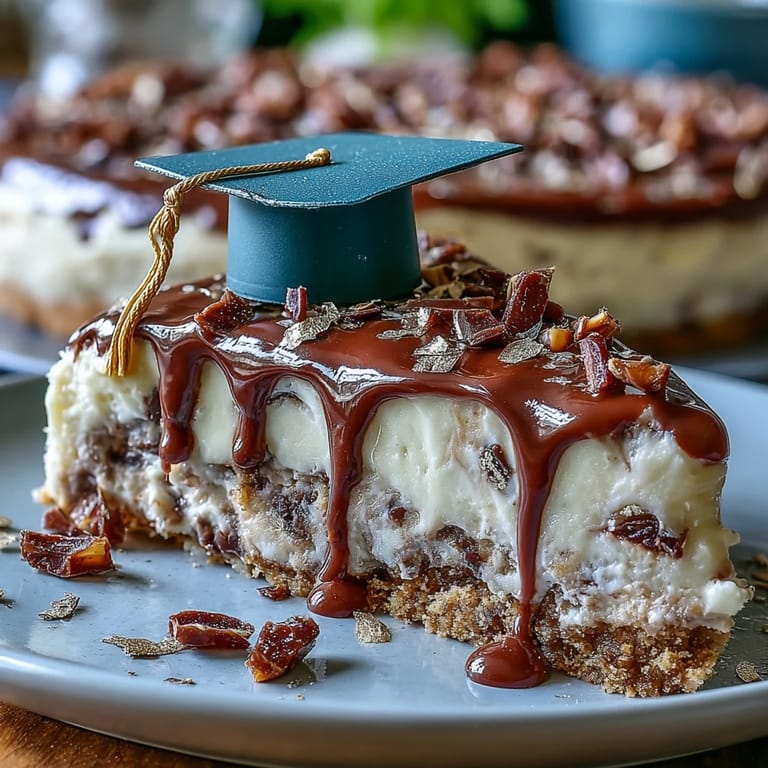
- Diploma topper: Buy one or make it from fondant; either way, it's the crown jewel of this cake.
- Sprinkles or star confetti (optional): These add joy and you can match them to school colors.
Tired of Takeout? 🥡
Get 10 meals you can make faster than delivery arrives. Seriously.
One email. No spam. Unsubscribe anytime.
Instructions
- Get your pans ready:
- Preheat the oven to 350°F and grease two 9-inch round pans, then line the bottoms with parchment paper. This prevents any sticking drama and makes cleanup easier later.
- Whisk your dry team:
- In a medium bowl, whisk together flour, baking powder, and salt; this distributes the leavening evenly so you don't end up with odd bumps.
- Cream the butter and sugar:
- Beat softened butter and sugar together for 3–4 minutes until it looks pale and fluffy, like clouds or soft frosting. This step is when you're building the structure of the cake, so don't rush it.
- Add your eggs carefully:
- Add eggs one at a time, beating well after each addition so they fully incorporate; adding them all at once can make the batter look curdled and broken.
- Mix in vanilla:
- Stir in the vanilla extract until the batter smells like birthday cake dreams.
- Alternate wet and dry:
- Add the flour mixture and milk alternately to the butter mixture, starting and ending with flour; this prevents overmixing and keeps your cake tender instead of tough.
- Divide and smooth:
- Pour the batter evenly between the prepared pans and smooth the tops so they'll bake evenly and your layers will be level.
- Bake until golden:
- Bake for 28–32 minutes until a toothpick inserted in the center comes out clean or with just a few moist crumbs. The smell will tell you when you're close—it's unmistakably done when your kitchen smells like vanilla cake heaven.
- Cool with patience:
- Let cakes cool in their pans for 10 minutes, then turn them out onto wire racks to cool completely. Rushing this step by frosting a warm cake will melt your buttercream into a glossy mess.
- Make your frosting:
- Beat softened butter on high speed for about 3 minutes until it's pale and creamy, then gradually add sifted powdered sugar, vanilla, salt, and milk until it reaches a smooth, spreadable consistency. You're looking for something thick enough to hold a swirl but soft enough to spread without tearing the cake.
- Level your cakes:
- If your cake layers have domed tops, use a serrated knife and a gentle sawing motion to level them; this gives you flat surfaces that stack without sliding.
- Build with frosting:
- Place the first cake layer on your serving plate, spread a generous layer of buttercream on top, then carefully place the second layer over it, pressing gently so it sits flush.
- Apply a crumb coat:
- Spread a thin, almost transparent layer of frosting around the entire cake to seal in any crumbs. Chill this for 30 minutes so the frosting sets and your final coat goes on smoothly.
- Frost like a pro:
- Apply the remaining buttercream to the chilled cake with an offset spatula, creating swirls or smooth lines depending on your mood and vision.
- Gold foil magic:
- Using tweezers, carefully apply edible gold foil to desired areas—I like to do sections around the cake or create a rim at the top, but this is your canvas. The delicate sheets catch light beautifully and honestly feel celebratory.
- Add the diploma:
- Place your diploma topper at the center or nestled to one side, then scatter any sprinkles or confetti around it if you're feeling festive.
- Final chill and serve:
- Chill the finished cake briefly to set everything, then bring it to room temperature before serving so the frosting has that perfect, soft texture.
 Save to Pinterest
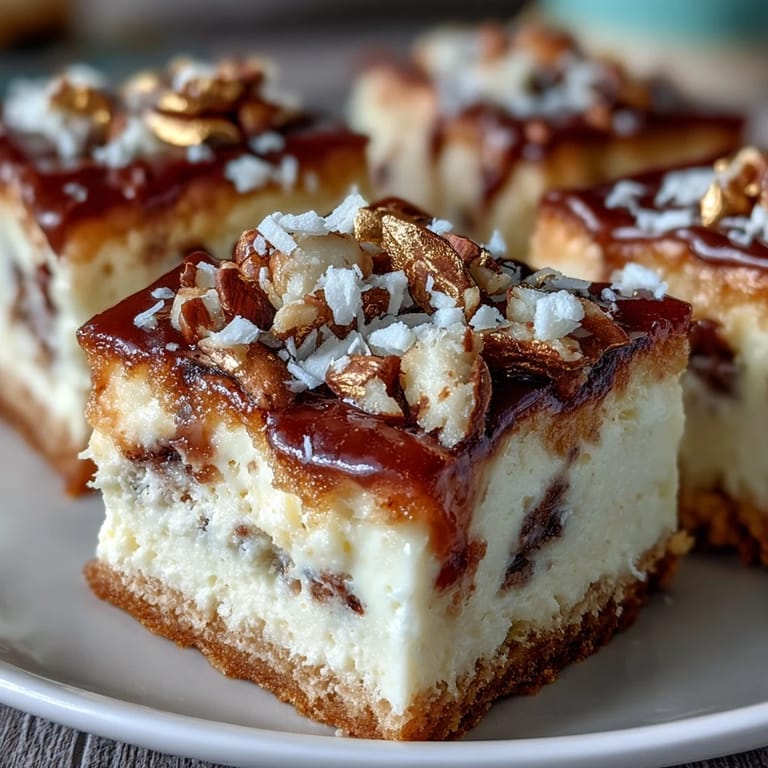
 The night before the graduation party, I sat alone with this cake on my kitchen counter, running my fingers over the gold foil and thinking about how a cake is sometimes more than dessert—it's permission to mark a moment, to say we're proud, to make someone feel seen. My cousin is off at college now, thriving and becoming herself, and I know she'll remember this cake when she's forty, the way we all remember the things people made for us when we mattered.
Making This Cake Taste Even Better
If you want to deepen the vanilla flavor beyond what the recipe gives you, add 1 teaspoon of almond extract to the batter—it whispers in the background without announcing itself, just making everything taste more like itself. I learned this by accident once when I misread my notes and added too much, then realized I'd stumbled onto something special. You could also steep a vanilla bean in the milk for thirty minutes before using it, which is fancy and entirely worth the small effort if you're celebrating someone truly extraordinary.
School Colors and Personal Touches
The buttercream takes gel food coloring beautifully—use it to match your graduate's school colors and create a cake that feels uniquely theirs. I've done navy and gold, forest green with silver, even a soft blush pink that looked almost romantic. The key is adding the gel a tiny bit at a time and beating it in thoroughly so the color distributes evenly without creating streaks or making the frosting look muddy.
Storage and Serving Wisdom
This cake actually tastes better the next day once the flavors have melded and settled, so feel free to bake and frost it the day before the party, then decorate with gold foil and the topper a few hours before serving. Keep it in a cool room or the refrigerator if your house is warm, and bring it to room temperature about an hour before cutting so the frosting has that perfect soft texture instead of being cold and stiff. If you're making this more than a day ahead, freeze the unfrosted layers individually wrapped in plastic wrap for up to two weeks, then thaw and frost when you're ready.
- Serve each slice with something bubbly—sparkling cider if you want to keep it non-alcoholic, or champagne if you're celebrating with adults.
- Cut with a long, thin-bladed knife dipped in hot water and wiped between each slice for clean, professional-looking pieces.
- If you're transporting this cake, keep it in the coolest part of your car and deliver it as late as possible before the party begins.
 Save to Pinterest
 Bake this cake with the knowledge that you're doing something that matters—you're turning sugar and butter and eggs into a moment someone will remember. That's the real magic here.
Recipe FAQs
- → What type of flour is best for this cake?
All-purpose flour strikes the right balance for a tender yet sturdy vanilla sponge, ensuring proper rise and texture.
- → How do I handle edible gold foil during decorating?
Use dry hands or tweezers to gently apply the delicate gold foil sheets to avoid tearing and maintain their lustrous appearance.
- → Can I customize the cake colors?
Yes, gel food coloring can be added to the buttercream to match any desired school or celebration colors.
- → What is the best way to ensure even cake layers?
Level the cooled cake layers before assembling to create a balanced and neat presentation.
- → Are there options for the diploma topper?
The topper can be store-bought or homemade using fondant or paper, allowing for personalized details.
- → How long should the cake chill between frosting layers?
Chilling for about 30 minutes after the crumb coat helps set the frosting, making the final layer smoother and easier to apply.