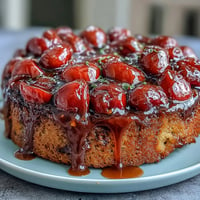
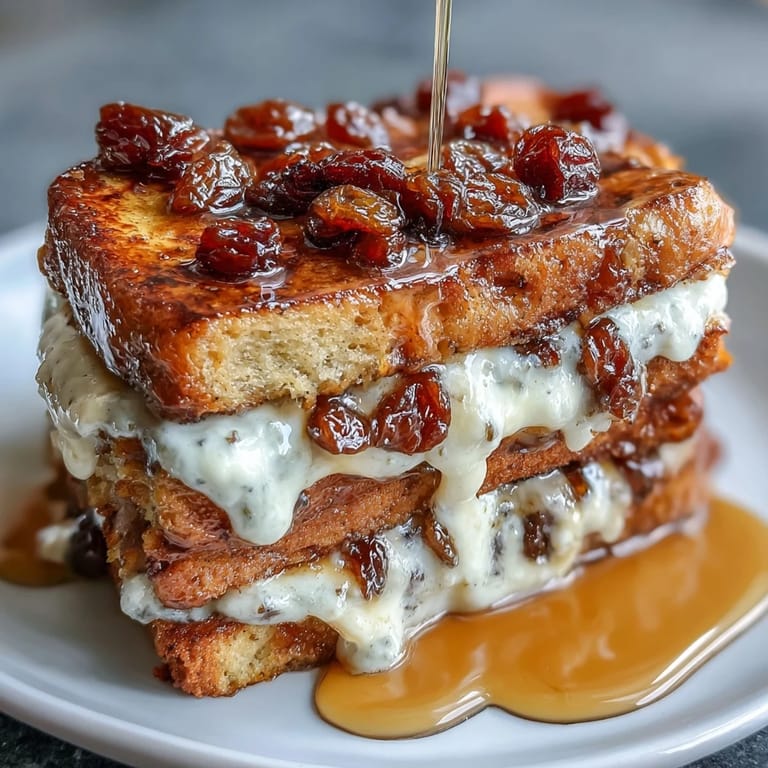
 Save to Pinterest
 The aroma of cinnamon and caramelizing piloncillo always seems to sneak up on you in the kitchen—one minute everything’s quiet, then suddenly the whole house feels warmer. The first time I made capirotada, my curiosity led me to rifle through the pantry for leftover bread, wondering what magic those humble slices might hold. Rather than a grand tradition, it was a rainy weekend that nudged me toward this Mexican bread pudding, hunting for something sweet yet soothing. I watched cheese melt between toasted rounds and imagined how comforting it would taste after a long day. The result was a dish that felt both festive and everyday—a pudding built for sharing, but perfectly fine to sneak with a spoon straight from the corner of the dish.
One evening, I set a pan of capirotada on the table just as friends dropped by unexpectedly, drawn in by the scent of cinnamon. We ended up lingering around the kitchen, scraping the sticky syrup from the sides and gently negotiating for the last toasted edge. Someone insisted on pairing it with bitter coffee, which brought out the sweetness even more, and the conversation seemed to find a softer groove as steam rose from the warm dessert. Sometimes it’s the dessert that makes the gathering memorable; sometimes it’s the simplest ingredients that spark laughter.
Ingredients
- Bread: Using day-old bolillo or baguette gives structure to the pudding and toasts beautifully, providing the perfect base for soaking up syrup.
- Piloncillo: The deep, complex sweetness of piloncillo transforms plain bread into something unforgettable; I chop it finely so it melts faster.
- Cinnamon: Sticks release warmth, not just flavor, and impart a nostalgia-inducing aroma; always use whole sticks for best taste.
- Raisins: Tossing plump raisins in adds bursts of sweetness throughout each layer—let them soak up the syrup for maximum flavor.
- Cheese: Mild, melting cheese makes this dish rich and slightly salty—Monterey Jack, mozzarella, or queso fresco all work, so use what you love.
- Nuts: Pecans or peanuts add crunch and contrast, but leave them out if you’d rather focus on tradition or simplicity.
- Butter: Greasing the dish keeps all that sticky syrup from clinging to the sides, making serving easier.
Tired of Takeout? 🥡
Get 10 meals you can make faster than delivery arrives. Seriously.
One email. No spam. Unsubscribe anytime.
Instructions
- Toast the Bread:
- Lay the bread slices out on a baking sheet and let the oven work its magic, flipping halfway until every round is golden and crisp.
- Make the Syrup:
- Bring piloncillo, water, cinnamon sticks, and cloves to a boil in a saucepan, then simmer gently and stir; the spicy scent swirls up as the syrup thickens and butter goes in at the end.
- Layer the Ingredients:
- Arrange half of the bread in your buttered dish, then scatter raisins, cheese, and nuts over each layer before dousing with syrup—repeat so each slice gets its share.
- Soak and Press:
- Once layered, press gently with a spatula so the bread soaks up all those flavors—a quick moment that makes the difference.
- Bake Covered, Then Uncover:
- Cover with foil and bake for 20 minutes, then uncover for another 10 so the cheese bubbles and the top turns golden.
- Rest and Serve:
- Let the capirotada cool for 10 minutes before serving, which gives layers time to settle and flavors to merge.
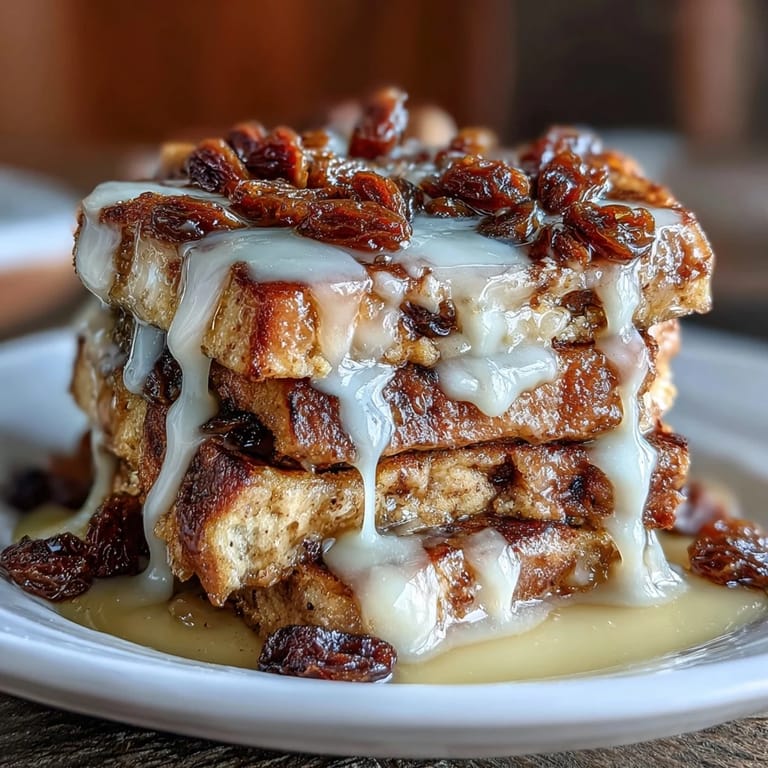 Save to Pinterest
 One slow afternoon, I watched my niece carefully spoon syrup over each layer, giggling at how the bread soaked everything up like a sponge. The kitchen felt fuller, the dessert became both lesson and treat, and I realized capirotada wasn’t just about tradition—it was about the way food gently invites us to share a moment.
How to Balance Sweet and Savory
I learned that using a mix of cheeses and a touch of nuts creates the right balance so the pudding never becomes heavy or overly sweet. The salty cheese paired with piloncillo syrup makes each bite layered and interesting.
Making Capirotada Your Own
Feel free to use dried cranberries or apricots, or toss in a handful of coconut flakes if that’s what’s in your pantry. Experimenting with fillings is half the fun; you’ll discover what works for your family and what sparks memories of your own.
Serving Suggestions and Last-Minute Fixes
Capirotada tastes wonderful warm, but leftovers are equally good after chilling overnight—the flavors deepen and the syrup thickens. Even if you forgot to grease the dish, a small spatula and some patience will help pry out every bit.
- For extra richness, drizzle sweetened condensed milk on top before baking.
- If bread slices are too thick, gently flatten them for easier layering.
- Don’t stress if the syrup seems thin; the oven will do its work.
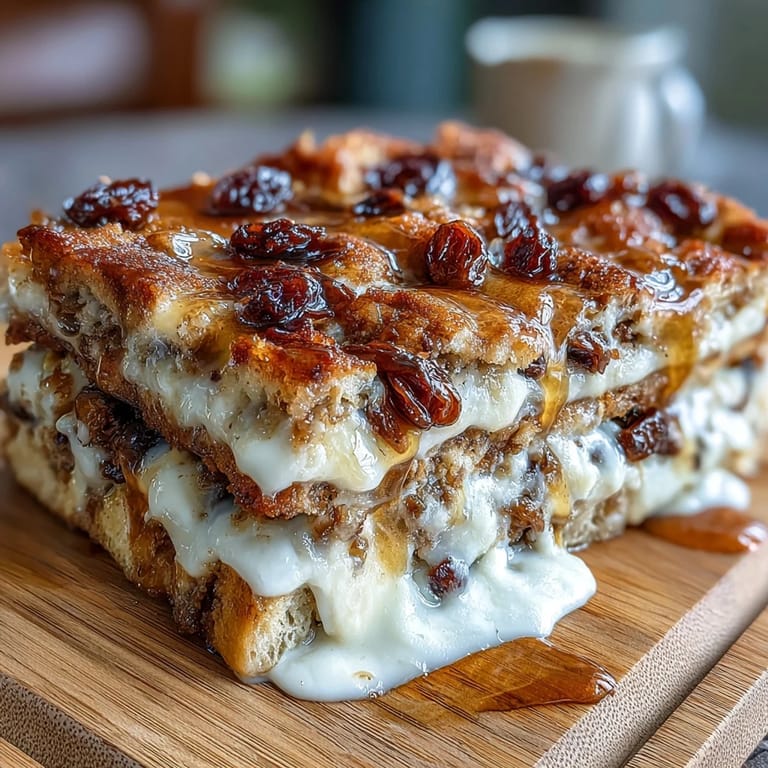 Save to Pinterest
 Whether for Lent, a celebration, or a casual craving, easy capirotada brings comfort and sweetness into the kitchen. Enjoy every layer and let it become part of your own table stories.
Recipe FAQs
- → Can I use another type of bread?
Yes, bolillo, French bread, or baguette work well. Day-old bread helps soak up syrup better.
- → What can I substitute for piloncillo?
Packed dark brown sugar is a suitable replacement, offering similar sweetness and flavor.
- → How do I make it richer?
Add ¼ cup of sweetened condensed milk to the syrup for extra creaminess.
- → Which cheese fits best?
Mild cheeses like queso fresco, Monterey Jack, mozzarella, or even more traditional options like Cotija work well.
- → Can I make this gluten-free?
Yes, simply use gluten-free bread to adapt the dish for dietary needs.
- → Is it better served warm or cold?
Capirotada can be served warm for melty cheese and comforting flavors, or at room temperature if preferred.