 Save to Pinterest
 The first time I tried making dandelion honey scones was after a morning stroll in early spring, when the air was fragrant and golden light caught the garden's untamed blossoms. There was something whimsical about the idea of using dandelion honey—almost mischievous, like finding treasure beneath weeds. As the dough came together in my sunny kitchen, I remember not being sure if the floral notes would shine, but curiosity won out. The promise of warm scones and clotted cream made the waiting feel festive. Baking them became a gentle ritual, especially as the scent drifted through the house.
One rainy afternoon, I made a batch for friends visiting from out of town—everyone crowded in the kitchen, sharing stories while I cut dough and brushed tops with milk. Watching their faces light up as they bit into pillowy, warm scones was a reminder of how simple baking can transform a moment. Even my friend's toddler, usually picky, licked clotted cream off her finger with a giggle. That batch disappeared faster than I anticipated, prompting one guest to ask where to find dandelion honey nearby. These scones somehow invite good company and conversation, no matter the weather.
Ingredients
- All-purpose flour: Provides a sturdy base for tender crumb; sift for lighter scones.
- Granulated sugar: Just enough sweetness to balance the honey's floral taste, but don't overdo it.
- Baking powder: The secret to good rise; measure carefully to prevent bitterness.
- Fine sea salt: A little salt rounds out flavors, so don’t skip it, even if tempted.
- Cold unsalted butter: Chill your butter well – this keeps the scones flaky and prevents dense results.
- Dandelion honey: Brings gentle complexity; if you can’t find it, use mild-flavored honey but keep the floral magic alive.
- Whole milk: Use cold milk, and don’t substitute skim if you want richness in every bite.
- Large egg: Helps bind and shine the dough; bring to room temperature for easier mixing.
- Dandelion honey, for drizzling: A final flourish that invites everyone to indulge.
- Clotted cream: Soft, rich, and dreamy—spread generously for authentic British flair.
Tired of Takeout? 🥡
Get 10 meals you can make faster than delivery arrives. Seriously.
One email. No spam. Unsubscribe anytime.
Instructions
- Heat the oven:
- Turn your oven on to 400°F (200°C) and line a tray with parchment—this way, scones won't stick and cleanup stays easy.
- Mix dry ingredients:
- Whisk flour, sugar, baking powder, and salt together, listening as the grains softly tumble in the bowl.
- Rub in butter:
- Add cold cubes of butter and either use a pastry blender or your fingertips, gently working until the mix feels like sandy pebbles.
- Combine wet ingredients:
- Whisk honey, milk, and egg until the liquid is glossy and pale—the honey’s aroma might tempt you to sneak a taste.
- Bring it together:
- Gently stir wet into dry with a fork, watching as the dough just barely binds; resist stirring more, as it keeps the scones tender.
- Shape the dough:
- Turn dough onto a floured surface and pat it into a round, about 1 inch thick—pretend you’re pressing a soft pillow.
- Cut scones:
- Use a round cutter to press out shapes, gathering the scraps like puzzle pieces and repeating till all dough is gone.
- Brush with milk:
- Lightly brush the scone tops for gloss and color—don’t drown them, just a sweep.
- Bake:
- Slide into the oven for 12–15 minutes, watching as they rise and turn golden; their scent will announce when they're close to done.
- Serve:
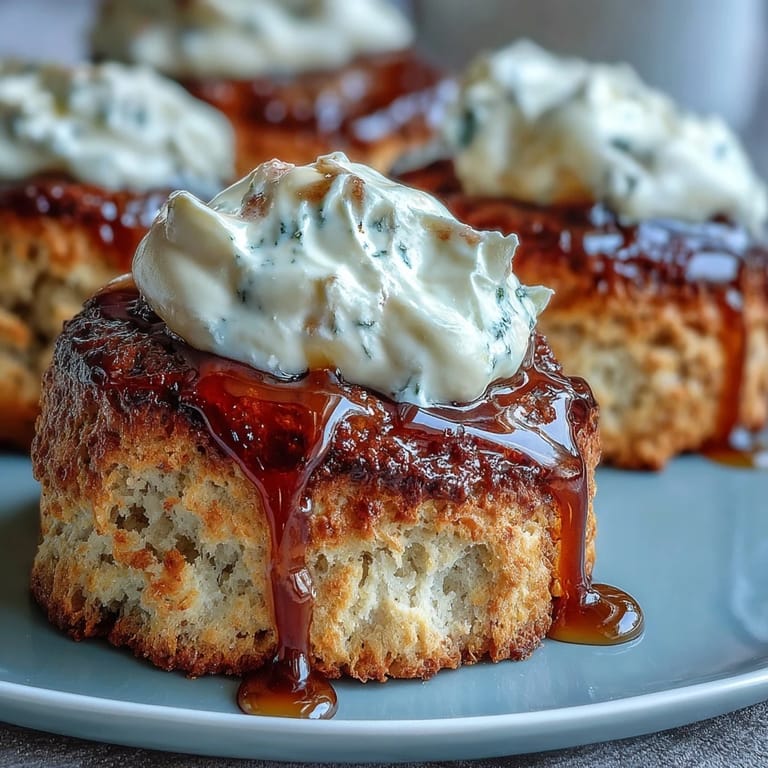
- Transfer scones to a wire rack and serve them warm, with clotted cream and a drizzle of honey for decadent finish.
 Save to Pinterest
 I’ll never forget serving these scones in the backyard with mismatched plates, sunlight flickering through branches while everyone reached for seconds. The table was scattered with honey jars and cream pots, and suddenly the afternoon felt festive and carefree—almost like a garden party sprung from nowhere. That day, the recipe became more than just a list; it felt like a tradition starting to bloom. Sometimes, all it takes is a warm treat to turn ordinary moments magical. These scones remind me to embrace the spontaneous joy of sharing.
The Magic of Dandelion Honey
The first time I tasted dandelion honey on its own, its delicate grassy sweetness surprised me. It’s a gentle reminder that small changes can add layers to familiar recipes. When I drizzled it over the fresh scones, its sunny floral notes tied everything together. Having a unique honey on hand always feels like an invitation to experiment. Let the flavor guide you—sometimes, adventure starts with little tweaks.
Bringing Out the Best Texture
Keeping the butter cold and working quickly became my secret weapon for flakier scones. I like to have all tools ready before mixing, so the dough doesn’t sit and warm up. With cold fingers or a pastry blender, the butter stays in firm bits, which means those lovely layers in every bite. If it’s a warm day, chill your bowl and utensils for extra insurance. Small steps like these make all the difference for that classic crumb.
Make-Ahead and Storage Wisdom
Scones are undeniably best right from the oven, but leftovers still shine when gently rewarmed or toasted. I've learned to wrap cooled scones in a tea towel and keep them airtight—not in the fridge, or they lose their softness. Sharing extras with a neighbor is always appreciated, but I stash a couple for solo tea breaks, too.
- For a quick refresh, pop a scone in the oven for five minutes before serving.
- If you're caught without clotted cream, mascarpone or thick crème fraîche work well.
- Remember—dandelion honey can be swapped for any mild floral honey if needed.
 Save to Pinterest
 Every batch teaches me something, but it’s the smiles around the table that make these scones truly special. Try them once, and you just might find yourself making them for every spring gathering.
Recipe FAQs
- → How do I achieve tender scones?
Keep butter cold and mix lightly, just until combined, to prevent tough scones.
- → Can I use regular honey instead of dandelion?
Yes, mild-flavored honey works well and maintains a floral sweetness.
- → What if clotted cream is unavailable?
Try thick crème fraîche or mascarpone as creamy alternatives.
- → How should scones be served?
Serve warm with a drizzle of honey and generous clotted cream for best flavor.
- → Are the scones vegetarian?
Yes, ingredients are all vegetarian-friendly with no meat or gelatin.
- → How should I store leftovers?
Keep scones in an airtight container at room temperature for up to two days.