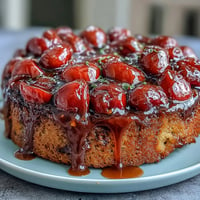
 Save to Pinterest
 My nonna used to make this ricotta pie every Easter, and the kitchen would fill with this bright, almost perfumy lemon scent that made everyone stop and take notice. Years later, I finally asked her for the recipe, expecting something complicated, but what I got was beautifully simple—just ricotta, eggs, lemon, and a tender crust that somehow tastes like spring itself. The first time I made it alone, I was nervous about the filling setting properly, but that slight wobble in the center is actually the secret to keeping it creamy instead of dense. Now whenever I bake this, it's not just dessert; it's an edible reminder of those Easter mornings when family mattered more than perfection.
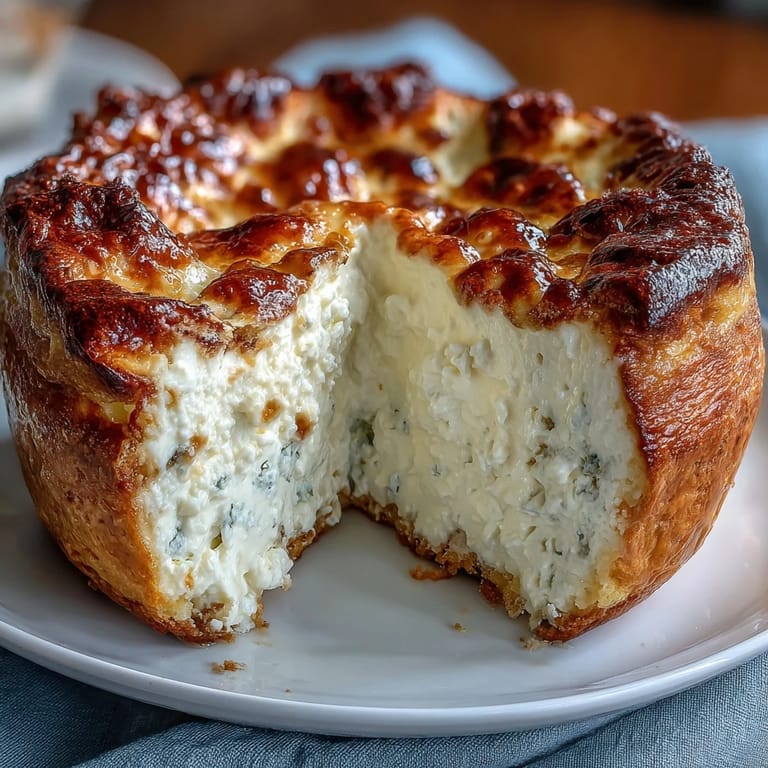
I made this for my sister's baby shower last spring, and I remember her taking one bite, closing her eyes, and saying it tasted like hope—which was exactly what she needed that day. The pale golden crust, the creamy filling with those tiny flecks of lemon zest visible throughout, somehow felt celebratory without being over the top. Everyone asked for the recipe, but more than that, they asked when I'd make it again.
Ingredients
- All-purpose flour (2 cups): Use good quality flour for the crust; it makes the pastry tender and crisp rather than tough and heavy.
- Granulated sugar (3/4 cup for filling, 1/2 cup for pastry): Don't skip the two different measurements—they serve different purposes in the pastry and filling.
- Cold unsalted butter (1/2 cup, cubed): Cold butter is essential; if it warms up, your crust will be dense instead of flaky, so chill it before you start.
- Eggs (4 total: 1 whole egg, 1 yolk for pastry, 3 for filling): Bring them to room temperature just before mixing the filling so they incorporate smoothly.
- Whole milk ricotta cheese (2 cups, drained): Drain your ricotta in a fine mesh strainer for at least 30 minutes before using—excess moisture is the enemy of a set filling.
- Fresh lemon zest (from 2 lemons): Use a microplane for fine, delicate zest that distributes evenly throughout the filling.
- Lemon juice (1 tbsp): Adds subtle tang and prevents the filling from tasting one-note sweet.
- Heavy cream (1/4 cup): This keeps the filling silky; don't substitute with milk.
Tired of Takeout? 🥡
Get 10 meals you can make faster than delivery arrives. Seriously.
One email. No spam. Unsubscribe anytime.
Instructions
- Make the pastry base:
- In a large bowl, combine flour, sugar, and salt, then add the cold butter cubes and rub them in with your fingertips until the mixture looks like coarse breadcrumbs with some pea-sized pieces of butter still visible. This texture is what gives you a flaky crust.
- Bring the dough together:
- Mix in the egg, egg yolk, and vanilla, then add cold water one tablespoon at a time, stirring gently until the dough just barely holds together—overworking it makes it tough. You want it slightly shaggy, not smooth.
- Chill and rest:
- Shape the dough into a disk, wrap it in plastic wrap, and refrigerate for at least 30 minutes; this relaxes the gluten and prevents shrinking during baking.
- Prepare the pan:
- Preheat your oven to 350°F (175°C) and lightly grease a 9-inch pie or tart pan with a removable bottom if you have one.
- Line the pan:
- On a lightly floured surface, roll out the chilled dough to about 1/8-inch thickness, then gently transfer it to the pan and press it into the bottom and sides. Trim any excess dough, prick the base with a fork to prevent puffing, and chill for 10 minutes.
- Make the filling:
- In a clean bowl, whisk together the well-drained ricotta, sugar, eggs, vanilla, lemon zest, lemon juice, flour, salt, and heavy cream until completely smooth—this takes about two minutes of whisking, and you want no lumps.
- Fill and bake:
- Pour the ricotta mixture into the pastry shell, smooth the top, and bake for 55 to 60 minutes until the edges are set and lightly golden but the very center still has a slight wobble when you gently shake the pan. The wobble disappears as it cools and is the sign of a creamy center rather than a rubbery one.
- Cool with patience:
- Let the pie cool completely on a wire rack at room temperature, then refrigerate for at least 2 hours before slicing; this helps it set properly and makes cutting cleaner.
- Finish and serve:
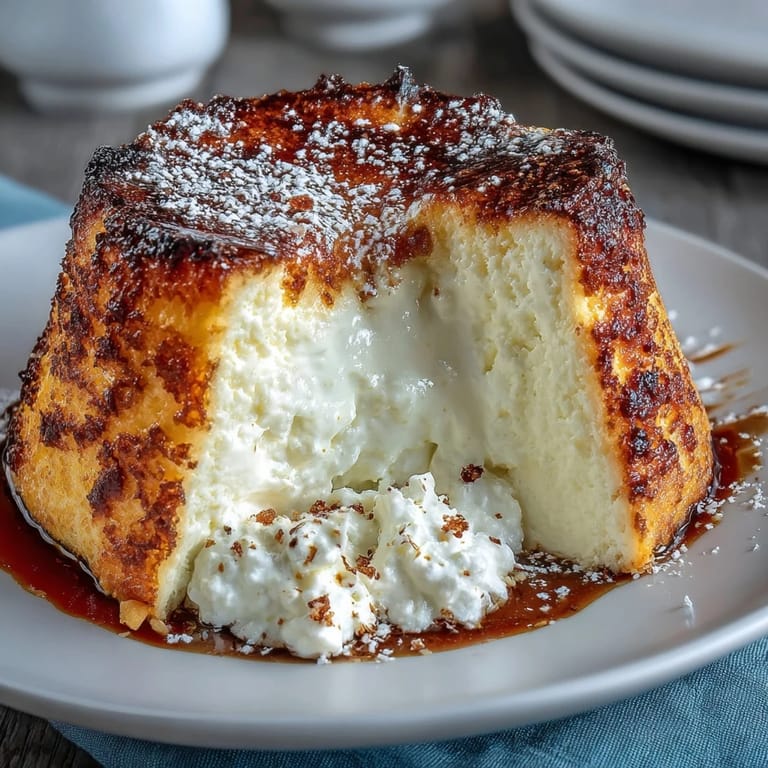
- Dust generously with powdered sugar just before serving for that elegant, snowy finish.
 Save to Pinterest
 There's something almost meditative about watching the filling set in the oven—those pale edges slowly turning golden while the scent of butter and lemon fills the kitchen. By the time it comes out, your whole house smells like celebration.
Why Lemon Matters Here
Ricotta can taste milky and one-dimensional on its own, but lemon zest transforms it into something bright and alive. The acidity cuts through the richness without making it taste sour, and the lemon oils add an almost floral note that makes people pause and wonder what they're tasting.
The Pastry Secret
The difference between a tender, flaky crust and a hard, disappointing one comes down to two things: keeping the butter cold and not overworking the dough. I made the mistake once of letting the butter soften while mixing, and the crust turned into something closer to a shortbread—not bad, but missing that delicate flakiness that makes this pie special.
Serving and Storage
This pie tastes best served slightly chilled with a dusting of powdered sugar and maybe some fresh berries alongside. It keeps beautifully in the refrigerator for up to three days, wrapped loosely in plastic wrap, and actually tastes even better the next day once all the flavors have melded together.
- A thin slice with a cup of espresso or light tea is the perfect springtime indulgence.
- Fresh raspberries or strawberries scattered on top add color and a subtle tartness that complements the lemon.
- Store in the refrigerator and serve cold or at room temperature, but never at room temperature for more than a few hours.
 Save to Pinterest
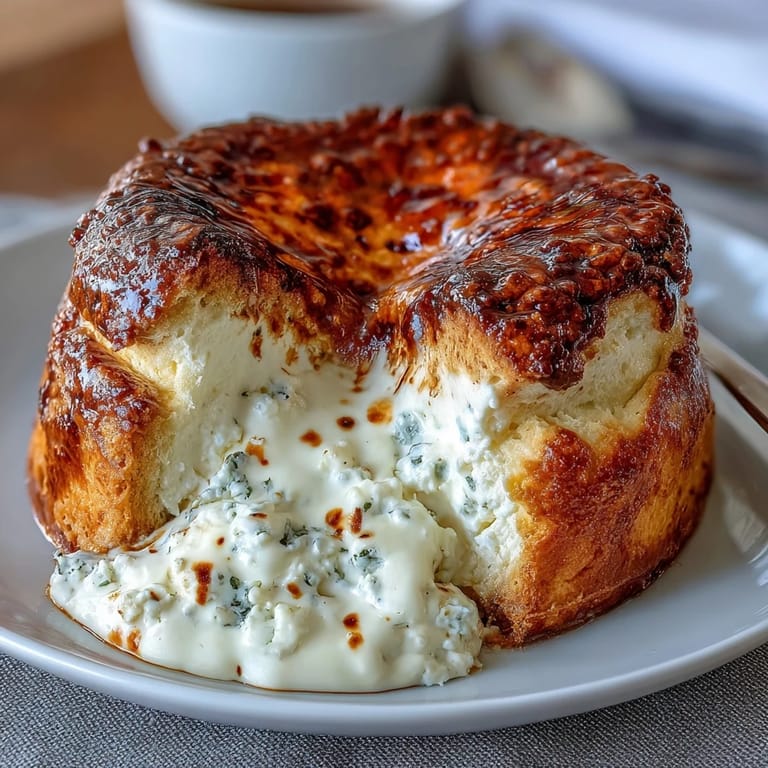
 This pie tastes like Italy in springtime, like family gatherings, like something worth the wait. Make it for someone you love, and watch their face the moment they taste it.
Recipe FAQs
- → How do I achieve a tender pastry crust?
Cold butter is rubbed into the flour and sugar until coarse crumbs form, then chilled dough helps create a flaky, tender crust.
- → Can I substitute any ingredients for dietary restrictions?
Gluten-free flour can replace all-purpose flour in the crust. Be sure to check labels for allergens.
- → What is the best way to zest lemons for this dish?
Use a microplane or fine grater to zest only the outer yellow layer, avoiding the bitter white pith.
- → How can I tell when the filling is perfectly baked?
The filling should be lightly golden, set around the edges, with a slight wobble in the center.
- → What are some garnishing suggestions to enhance presentation?
Fresh berries and a dusting of powdered sugar add a festive and colorful touch to the finished pie.