 Save to Pinterest
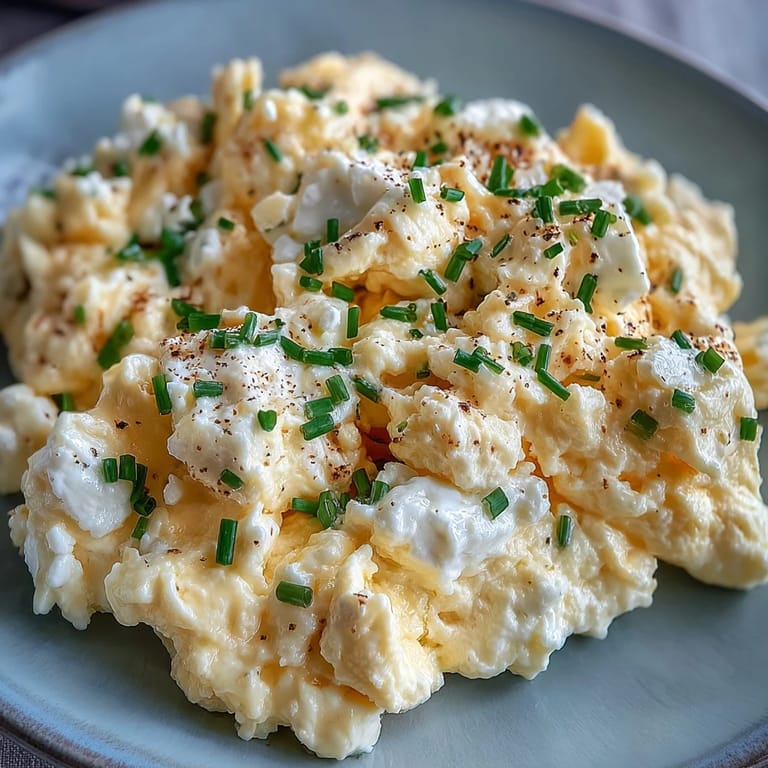
 There are some mornings when the kitchen is filtered in that gentle blue light and breakfast demands to be more than just a routine. On one such weekday, the hum of the kettle and the cool tile under my feet nudged me into improvising breakfast. I reached into the fridge and, instead of my usual rush, paused at the container of cottage cheese beside the eggs. It hadn't occurred to me before to fold them together, but the result was velvety, savory, and unexpectedly satisfying. Since then, this twist on scrambled eggs has anchored many mornings with its comforting creaminess and reliable boost of protein.
I first made these protein-packed eggs on a brisk morning, just as my partner was rushing out the door for an early meeting. The kitchen still smelled cool and clean, but as the eggs mingled with butter in the pan, a slow waft of richness curled through the apartment. Halfway through, a sprinkle of chives fell on the counter instead of the eggs, and we laughed, still in our pajamas, plates in hand over the sink. That meal—simple and a little chaotic—set such a good mood that we both remembered it long after.
Ingredients
- Eggs: Go for large eggs, and whisk them thoroughly; it makes the end result fluffier and more cohesive.
- Cottage cheese: I like to use full-fat for extra creaminess, but low-fat works for a lighter dish and melts in easily.
- Unsalted butter: Let it melt gently for that toasty flavor and extra tenderness in the eggs.
- Fresh chives or green onions: These give a pop of color and a delicate oniony brightness right at the finish.
- Salt and freshly ground black pepper: Season right into the eggs before cooking so the flavors bloom together.
Tired of Takeout? 🥡
Get 10 meals you can make faster than delivery arrives. Seriously.
One email. No spam. Unsubscribe anytime.
Instructions
- Whisk the eggs:
- Crack the eggs into your mixing bowl, add salt and pepper, then whisk with energy until the mixture is one color and the yolk trails disappear.
- Fold in cottage cheese:
- Gently mix cottage cheese into the eggs—don’t overdo it; a few curds peeking through mean extra creamy bites later.
- Heat the pan:
- Place the butter in your skillet and let it melt over medium-low heat until it starts to foam and smell just a little nutty.
- Pour and scramble:
- Pour the egg mixture into the pan, and with a spatula, stir slowly but consistently, scraping the bottom and edges as soft curds form.
- Finish gently:
- Once the eggs look mostly set but still glisten with moisture, pull the pan off the heat—residual warmth will finish them without drying them out.
- Add the chives:
- Scatter chives or green onions on top, inhale that fresh aroma, and serve your eggs while they’re still just a little creamy.
 Save to Pinterest
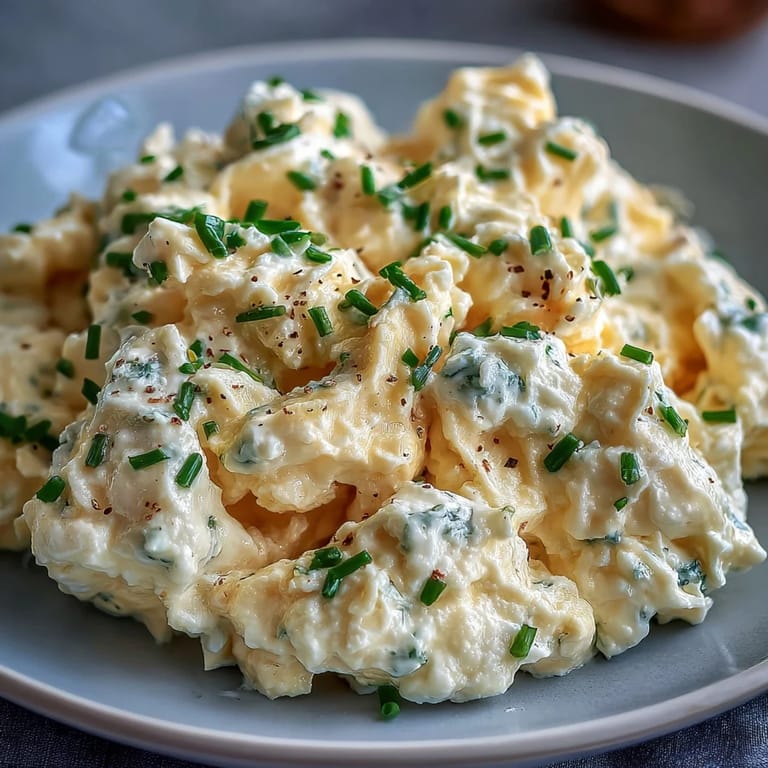
 One weekend, my best friend showed up for brunch after a long run. I served these scrambled eggs topped with smoked paprika and a side of juicy tomatoes, and we ate slowly, the conversation looping from travel plans to silly neighborhood stories. The food became less the point and more the background—a little bowl of comfort to keep the laughter rolling.
Small Swaps That Work Wonders
Swapping in olive oil for butter doesn’t sacrifice much flavor, but it adds a subtle fruitiness that pairs nicely if you’re adding tomatoes or greens. One time I swapped chives for basil because it’s all I had, and those unexpected hits of sweet, peppery green were honestly delightful. The lesson: Don’t be shy about using what’s on hand.
What To Serve With These Scrambled Eggs
Some days I spoon these eggs over toasted whole-grain bread, but when I have leftover roasted veggies, I pile them alongside for color and crunch. They make a fine partner to smoked salmon on a plate, or simply with a generous handful of baby spinach wilted into the pan as the eggs finish, for an extra nutrient boost. These eggs are basically a blank canvas for whatever breakfast sides you love.
Secrets For Restaurant-Style Creaminess
I learned through trial and error that how you stir matters as much as your ingredients. Go slow, use gentle sweeping motions with the spatula, and don’t step away from the pan, even for a minute. And overcooking is the main enemy—take the eggs off heat when they still look a tad soft, and trust they’ll finish on their own.
- If you want even more fluff, try a splash of milk added to the egg mixture.
- Don’t salt the eggs after cooking—season in the bowl for even flavor.
- For brunch guests, double the recipe but cook in batches so the texture stays perfect.
 Save to Pinterest
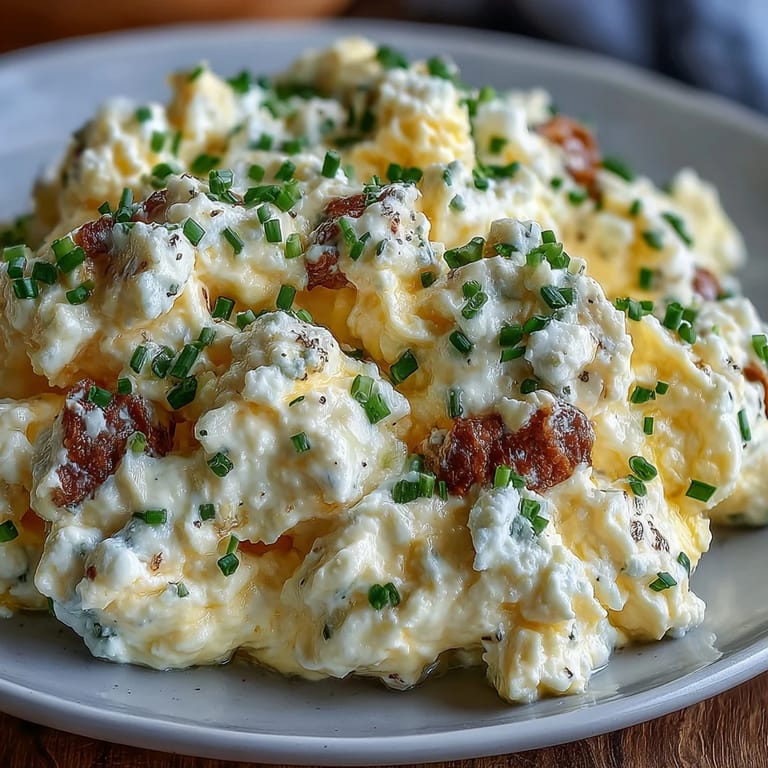
 Here’s to discovering joy in tiny kitchen experiments—and to breakfasts that coax you into slowing down, one forkful at a time.
Recipe FAQs
- → How do I keep the eggs creamy?
Cook gently over medium-low heat and stir continuously. Remove from the pan while still slightly underdone so residual heat finishes the curds; folding in cottage cheese also adds moisture and creaminess.
- → Which type of cottage cheese works best?
Small-curd cottage cheese blends smoothly and gives a creamier finish. Use low-fat or full-fat based on preference; if you prefer a uniform texture, briefly pulse cottage cheese in a blender before folding into the eggs.
- → Can I make a dairy-free version?
Swap cottage cheese for silken tofu and use olive oil instead of butter. Press or gently blend the tofu for a smoother texture and season well to enhance flavor.
- → How can I prevent overcooking the eggs?
Keep the heat low, stir often, and take the pan off the heat when the eggs are still slightly glossy. They’ll finish setting from residual heat, preserving a soft, creamy texture.
- → How do I increase the protein even more?
Add diced cooked turkey, smoked salmon, or canned tuna after cooking, or stir in extra cottage cheese. Be mindful of salt additions when using cured proteins.
- → What are good serving suggestions?
Serve on whole-grain toast, alongside roasted tomatoes or a simple green salad. Garnish with chopped chives, green onions, or a sprinkle of smoked paprika for added depth.